Back
Great White Fleet
Client: Chiquita Brands
Context: Miew
Scope: Branding
Year:2025

Mar. Domingues

The Hook
The client approached us for a digital container-tracking platform.
They didn't ask for a new brand; they asked for a tool. We realized their current identity was a liability.
A modern, high-tech tracking platform would feel "broken" if launched under an outdated, distorted visual system. To build a credible digital future, we first had to fix the foundation.
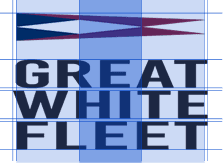
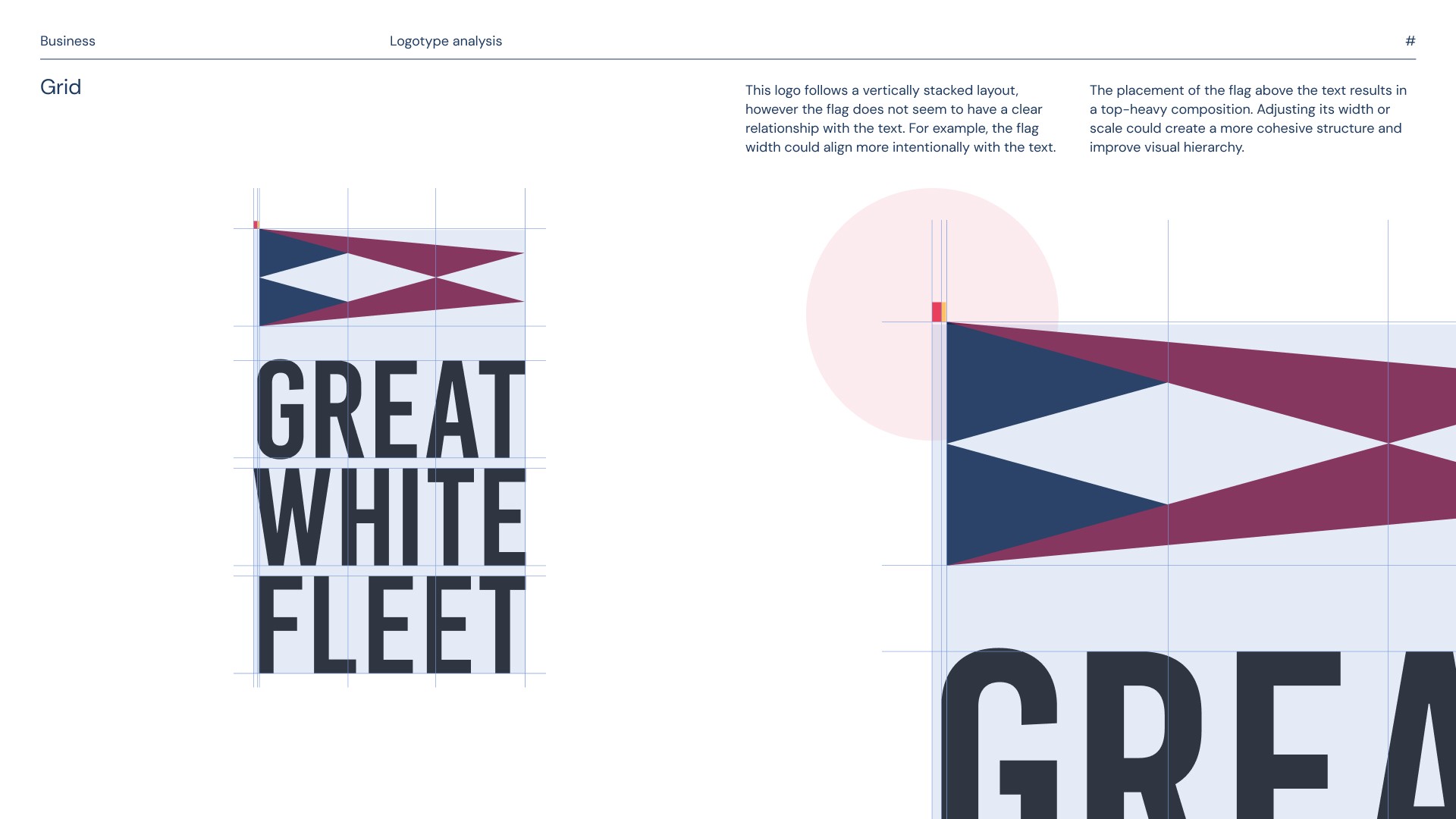
Logo Grids Malfunction
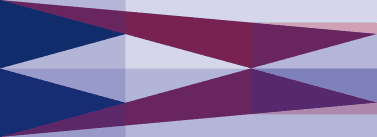
Logo Grids Malfunction

Logo Application in Website Navbar
Our research quickly uncover multiple versions of the logo in use across platforms, with frequent distortions and inconsistencies. Once we identified the primary logo in circulation, we audited it from a design and technical perspective: several structural and implementation issues needed to be addressed.
Discovery Session
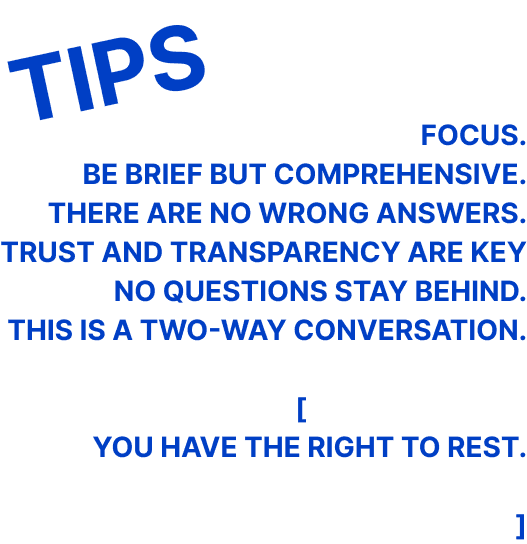
Exported from Discovery Session File
We also asked them some unusual questions like what car they’d be or where they sit on a scale of "Naive" vs. "Sophisticated." It might have been a bit confusing in the moment, but there was a method to the madness.👹👹
These exercises allowed us to extract the true DNA of the brand. And they saw the purpose of it in the next meeting, where we exposed a clear roadmap that proves Great White Fleet isn't just a name, but a specific persona with a defined voice and style.
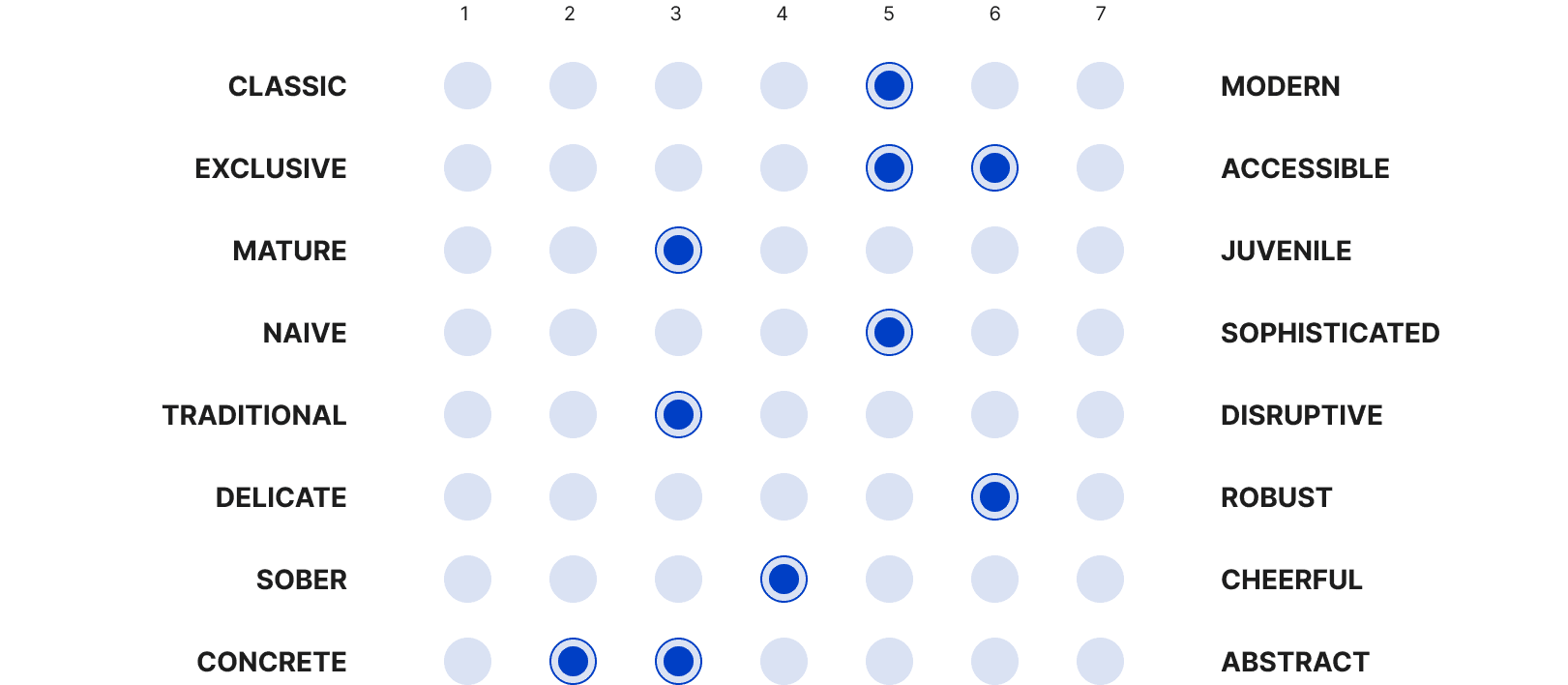
The discovery session gave us something more valuable than assumptions: evidence.
Report - Strategy Begginssss
Leveraging the depth of our Discovery Session, we presented a technical audit that acted as a strategic mirror. We demonstrated that we didn’t just see their logo; we saw their business - from their legacy of excellence to their vital need to step out from the "Chiquita shadow."
By playing back their own goals and challenges in a structured way, we built immediate trust. The client realized we weren't just designers; we were partners who had immersed ourselves in their world to protect their future.🤝
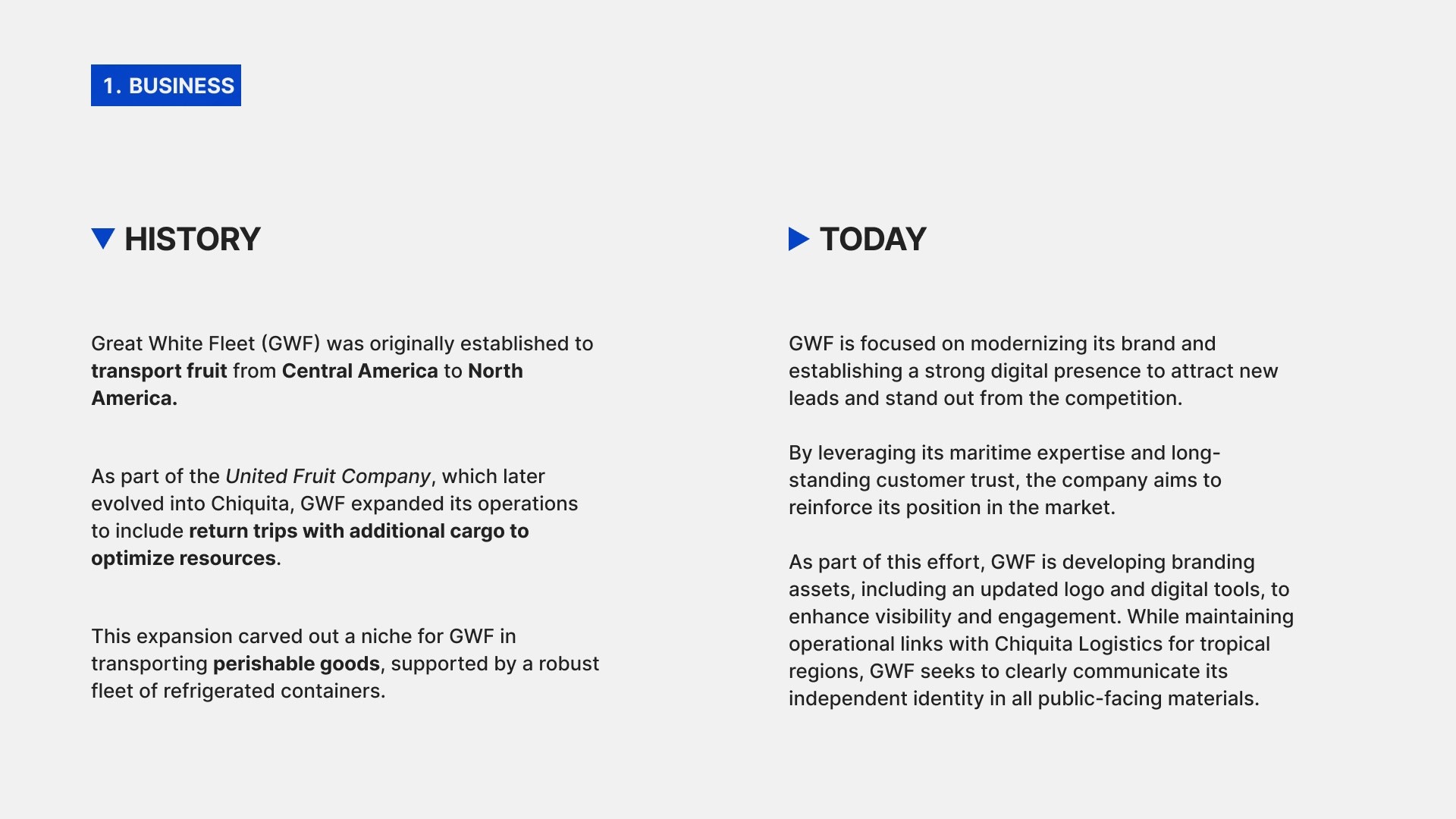
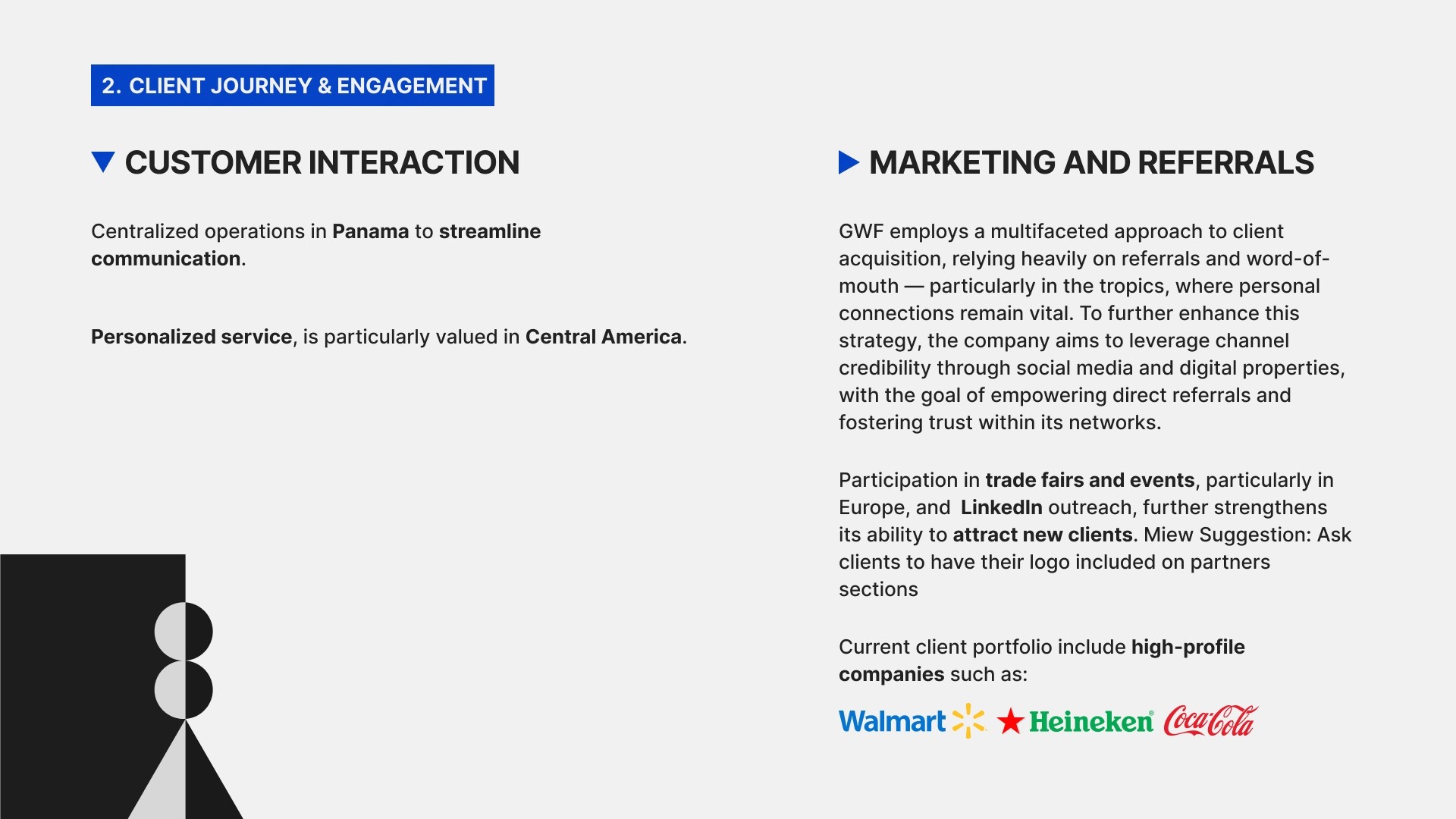
Now… 🫠 How do you tell a legacy client their logo needs to change? You show them the friction.
Designers here play a consultant role: we need to educate the client on rebranding and on its benefits, always by linking well-known examples to make the case. Lezz go!

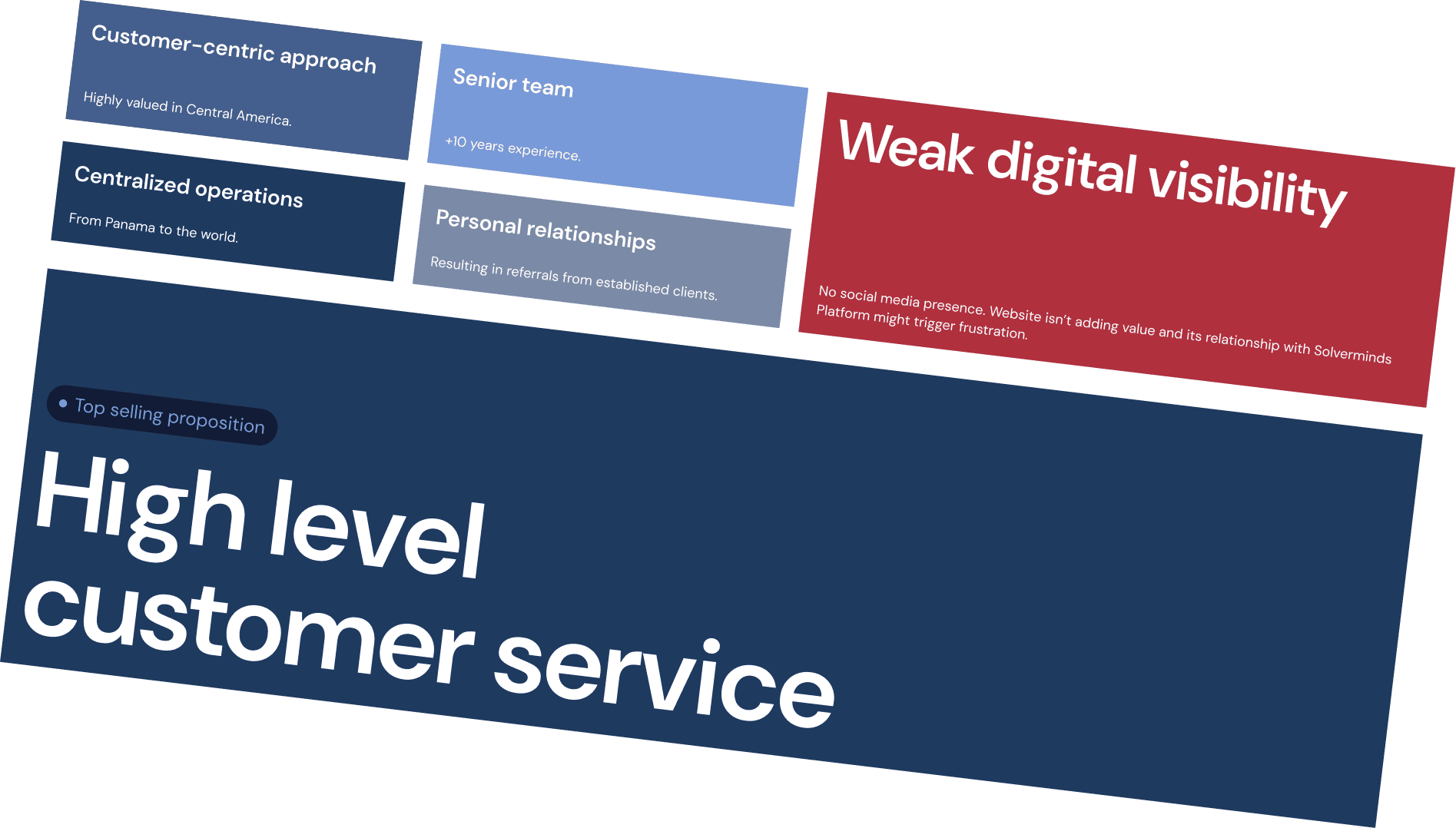
The conclusion became undeniable:
their current branding was the container sinking their ship.
We showed how the condensed typography and clunky flag symbol failed to scale on mobile screens the very place their new tracking platform would live. By framing the rebranding as a technical necessity for UX, we turned design taste into business logic.
The Proposal
To give the client confidence, we presented a roadmap of change.
Phase 1: Refinement
We fixed the visible distortions, balanced the flag's symmetry, and modernized the kerning. This was the "Insurance Policy" - ensuring the brand worked technically without losing its history. To bring the client into the process, we replaced technical design jargon with clear, accessible explanations, helping them understand the problems in their own logo. Terms like “kerning” were translated into simple, easy-to-understand expressions.
After this, we were trembling,
it was time to drop the bomb…💣💣
Phase 2: 'What if??' moment
This was the "red pill" part of the presentation. We stopped playing it safe and confronted the client with a reality check based on their own Discovery Session answers.
Remeber the 'What car you'd you be' question?? GWF claimed theirselves as a Volvo, using words like safety and reliability. Let's point out the elephant in the room: How can GWF want to be a Volvo, while looking like a Fiat?
By pitching the total rebrand, we weren't just offering a new look, we were offering to finally give the "Volvo" the sleek, reliable chassis it deserved.